As startup founders, we love using AI to make our apps smarter. But we also have a duty to use it responsibly. AI can personalise experiences (like recommending products or workouts), but it also raises ethical concerns. For example, AI that’s secretive or unfair can hurt our users’ trust. As DreamWalk notes, “AI is transforming the mobile app landscape… [and] pressing ethical concerns” emerge. In other words, Ethical AI in mobile apps means building trust with our users from day one. When an app feels fair, private and transparent, people will engage with it more. In fact, one article points out that when users trust your app, “they are more likely to engage, stay loyal, and recommend it to others”. By focusing on fairness and privacy, we not only do right by users but also keep them coming back.
Why AI Ethics Matter for Your App
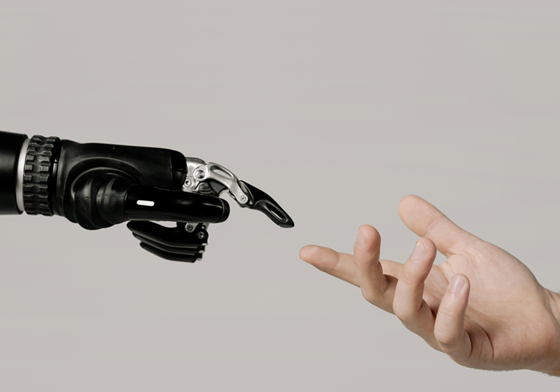
In practice, AI ethics means designing AI features that respect users’ values and privacy. We want our apps to be fair and transparent. This starts with asking: Who benefits from the AI, and how? If we don’t think about ethics, AI could treat some users unfairly or invade their privacy without a clear reason. As TechAhead explains, ethical AI systems “respect human values, prioritise privacy, and avoid discrimination”. In other words, they put people first. And as DreamWalk stresses, building ethical apps is about creating “user-centric apps that stand out in a competitive market” by ensuring fairness, transparency, and trust. When we put these principles into practice—being open about how the AI works and keeping data safe—we set the foundation for user trust. This makes our apps feel more friendly and reliable to real people.
Key Ethical Challenges: Bias, Privacy and Accountability
Building ethical AI isn’t always easy. There are common challenges we need to watch for. First, AI can inherit biases from its data. For instance, if an app’s AI was only trained on one group of people, it might treat others unfairly. DreamWalk warns that algorithms can produce “discriminatory outcomes… [for example], misidentifying people with darker skin tones” if the data is unbalanced. To prevent this, we must use diverse training data and test our app with all kinds of users.
Second, there’s data privacy and security. AI-driven features often use personal information, so we must protect that info carefully. Mishandling data can destroy trust, especially in sensitive areas like health or finance. DreamWalk notes that apps should use strong encryption and clear consent mechanisms, and follow rules like GDPR, to keep user data safe. When we treat personal data with care, users feel secure using the app.
Third, transparency matters. AI often works like a “black box” – we give it data, and it spits out answers without showing how it decided. This can make users uneasy. DreamWalk suggests we should find ways to explain AI decisions in our app, such as simple messages or visuals. For example, if an AI recommends a movie or tracks health metrics, we should add an explanation like “This suggestion was made using your activity data.” This helps users feel in control. As one source says, providing “step-by-step explanations” of the AI’s logic can demystify it and build trust.
Finally, we must define accountability. What happens if the AI makes a mistake or a harmful decision? Who is responsible? We should build a system where humans can intervene if something goes wrong. Technaureus emphasises that accountability “fosters a culture of safety and responsibility” in AI development. In practice, this means keeping logs of what the AI does, monitoring it for errors, and making sure we (as developers) can fix issues quickly. By planning for who is responsible and how to respond, we show users that we care about doing the right thing – even when computers make the decisions.
Building User Trust Through Ethical AI
Even with these challenges, ethical AI can give our app an edge. When users know that an app treats them fairly, they stick around. Apps that betray trust – say by using data sneakily – often lose users fast. As one design article puts it, the best apps feel like good friends: “helpful, reliable, and respectful of your boundaries”. By making sure our AI respects privacy and is user-friendly, we tap into that friend-like quality.
Moreover, using AI responsibly can solve real problems. For example, if our app can analyse large amounts of data securely, it can help businesses make smart decisions faster. Technaureus points out that ethical AI can improve data analysis and automation while upholding privacy. In a health app, for instance, AI might quickly flag health trends, helping users stay informed. Or in a supply chain app, AI could predict inventory needs without exposing sensitive customer data. When done right, these features not only boost efficiency but also reinforce user trust because the underlying AI behaves ethically.
In the end, trust is a foundation. It’s built over time by consistent, honest design choices. If we promise transparency and then deliver it, users notice. When we say “your data is safe” and we actually lock it down, users feel more confident. This positive experience leads users to share the app and give it better reviews. Remember: trust leads to loyalty. According to CQLsys, when users trust your app, they engage more and stay loyal. That’s a direct win for any startup.
Best Practices for Ethical AI App Development
To put ethics into practice, we can follow a few clear steps. DreamWalk offers a useful checklist of best practices. In our own words, key steps include:
- Build a diverse team: Include people with different backgrounds or roles (like designers, legal experts or even everyday users) to spot blind spots.
- Test and audit constantly: Regularly check the AI’s outputs for bias or errors. Make updates as needed so the app stays fair over time.
- Design for the user: Keep interfaces simple and honest. Explain AI features in plain language so people understand what’s happening. Avoid confusing or “dark” patterns.
- Follow the rules: Stay up to date with privacy laws (like GDPR or Australia’s Privacy Act). Make sure consent dialogues and data policies are clear and easy to find.
By following these steps, we show that our app values ethics as much as innovation. DreamWalk sums it up: developers should “integrate ethical considerations into every stage” of development. If we do this together, our apps will not only meet user needs but also earn their trust and respect.
Conclusion: Innovating Ethically, Together
Building an ethical, AI-powered app is an ongoing commitment – but it’s one we can tackle together. We’ve seen that Ethical AI in mobile apps is about fairness, privacy, and transparency, all of which foster user trust. By addressing biases, protecting data, and being open about how our AI works, we give our users confidence. We also protect ourselves, since compliance (like following GDPR) “establishes trust” and keeps us out of legal trouble.
As founders, let’s lead with empathy and integrity. We have the chance to set a positive example. Every ethical choice we make – whether it’s encrypting data, explaining an algorithm, or simply listening to feedback – adds up. Together, we can build apps that people rely on and believe in. In doing so, we drive mobile innovation forward with trust, not at the expense of it. The future of our app and our brand depends on it, and we’re all in this together.